


Superfonik: Kids Learn to Read
3.929.00 Reviews
App Specs
- Version
- 2.0.0
- Updated On
- License
- Free
- Downloads
- 100,000+
- Developer
- Play Piknik
- Categories
- Educational
- Platform
- Android
Screenshots

 Analysis by AppCompare
Ever stumbled upon an app that makes you wish you had this kind of tech when you were a kid? Well, that’s exactly how I felt when I downloaded Superfonik: Kids Learn to Read. This app is like a magical key to the world of reading for young learners, and I’m excited to share my experience with you.
First Impressions
From the moment I opened the app, I was greeted with a vibrant and user-friendly interface. The colors are bright and inviting, which is perfect for capturing a child’s attention. Navigating through the app is as easy as pie, which means even a five-year-old can find their way around without any hiccups.
Engaging Educational Content
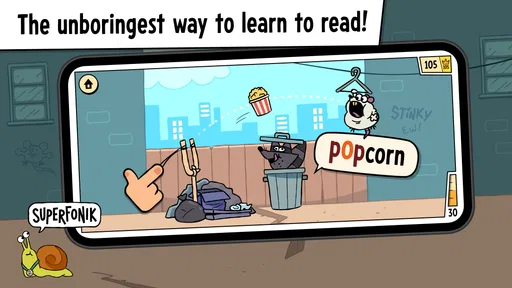
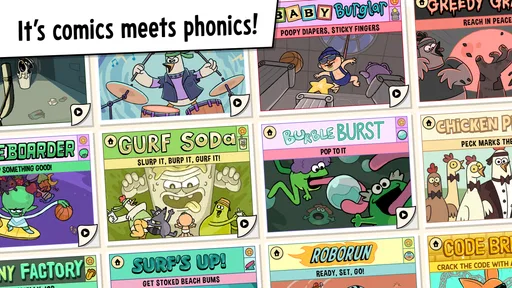
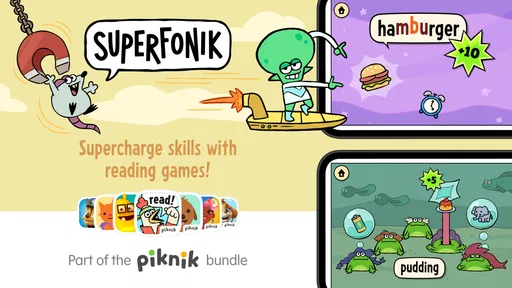
The heart of Superfonik is its educational content, and let me tell you, they’ve nailed it. The app uses a phonics-based approach to teaching reading, which is widely recognized as an effective method. Each lesson is designed to be interactive and engaging, making learning feel more like a game than a chore.
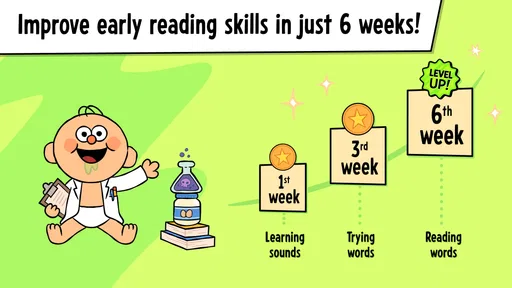
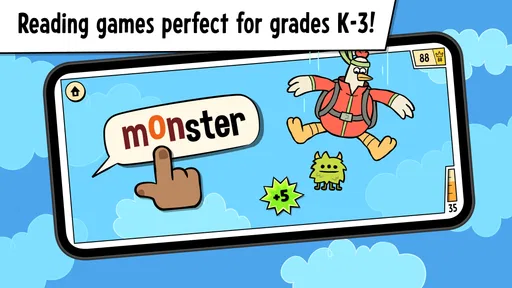
Kids can explore different levels, each filled with fun exercises that teach letter sounds, word formation, and pronunciation. The interactive nature of the activities keeps kids engaged, while the progressive difficulty ensures they’re constantly challenged but not overwhelmed.
Personalized Learning Experience
One of the standout features is the app’s ability to adapt to each child’s learning pace. It tracks progress and adjusts the difficulty of the lessons accordingly. This personalized approach not only boosts confidence but also makes sure that no child is left behind.
Parents can also track their child’s progress through a detailed dashboard. It’s a nifty feature that provides insights into their strengths and areas that might need a bit more attention.
Audio and Visual Elements
The app’s use of audio and visual elements is absolutely stellar. High-quality audio guides children through pronunciation, while the animations make the learning experience more dynamic. The characters are adorable, and they often bring a smile to your face with their quirky expressions.
Worth Reading Before You Choose

EA SPORTS FC Mobile 26 Is a Bigger Football Game, but It Takes Time

Flipboard Shows What News Apps Must Do Beyond the Feed

Switching to Android Auto Means Rethinking Your Driving Routine

Google Calendar Makes a Crowded Week Easier to Manage

Ludo King Makes the Most of the Minutes Between Plans

Baby Panda World Brings Quick Play to Modern Phones, but Its Game Library Feels Busy
Moreover, the app encourages kids to speak aloud, practicing their pronunciation in a fun and interactive way. This is a great confidence booster and a critical part of learning to read.
Incentives and Rewards
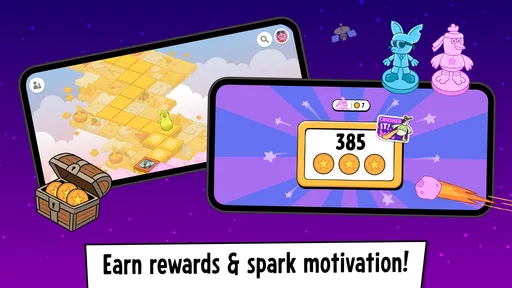
What’s learning without a little bit of fun and rewards, right? Superfonik incorporates a rewards system that motivates kids to keep learning. Completing levels earns them badges and stars, which they can proudly display. It’s a simple yet effective way to keep them coming back for more.
Parental Controls and Safety
As a parent, safety is always on top of the list, and Superfonik doesn’t disappoint. The app is ad-free, which means no unwanted distractions or accidental clicks. Additionally, it doesn’t require any personal data, ensuring the privacy and safety of the little ones.
Parental controls allow you to set screen time limits, ensuring that kids are not spending too much time glued to the screen. It’s a thoughtful touch that many parents will appreciate.
Room for Improvement
While the app is fantastic, there’s always room for improvement. I would love to see more diverse content that includes different languages or cultural references. This could make the app even more inclusive and beneficial for kids from various backgrounds.
Also, while the app covers the basics quite thoroughly, adding more advanced content for older kids could extend its usability beyond the beginner stages.
As a learning game from Play Piknik, this is best thought of as a companion to shared reading rather than a substitute for books, conversation, or a teacher’s guidance. Phonics practice can help a child notice how letters connect to sounds, but reading also involves meaning, patience, and talking about what a story says. I would use the activities to give a child a focused practice session, then follow with a short picture book or a few words spotted around the home. That combination helps keep screen practice connected to real reading instead of making the app the whole lesson.
A routine that works in real life
For a realistic after-school use, I’d keep the session small and predictable: let the child choose a lesson, stay nearby while they work through it, and stop after a natural point rather than pushing for a long stretch. If a sound or word causes trouble, I’d pause and say it together before letting the child try again. The useful part of this routine is not squeezing in more levels; it is giving the learner a calm chance to hear, say, and recognize a sound without turning practice into a test.
A parent can make the progress view more useful by checking it after, rather than during, the child’s activity. That avoids interrupting concentration and gives you a clearer basis for deciding what to revisit next time. I’d treat any record of progress as a prompt for conversation, not a verdict on ability: a child may be tired, distracted, or simply having an off day. A quick note to yourself about which sound needed extra practice can also make the next session feel purposeful without asking the child to repeat everything.
Where it fits among reading tools
Compared with a stack of printed phonics worksheets, an interactive game can feel less like homework and gives children a chance to hear sounds as they practice. Compared with a parent reading aloud, though, an app cannot offer the same spontaneous back-and-forth about a character, a funny picture, or a word a child already knows. I see the strongest role for this game as a bridge between those approaches: it can make a short burst of sound practice appealing, while books and conversation provide the broader experience that early readers need.
It may also suit a family better than a general learning app when the immediate goal is early reading rather than a mix of unrelated subjects. The trade-off is focus: a child who is ready for longer stories, richer vocabulary work, or support with a particular school curriculum may need a book, classroom resource, or more advanced reading tool alongside it. I would not choose it as the only resource for a child who is already reading independently and looking for deeper material.
Who is likely to enjoy it
I’d recommend trying it with a young beginner who responds well to short, playful activities and benefits from hearing letter sounds modeled aloud. It can also be useful for a caregiver who wants a simple activity to share with a child, rather than a silent screen session that leaves the adult unsure what the learner practiced. The Everyone age classification makes it broadly suitable in content terms, but children still vary in readiness and attention; an adult’s presence is valuable, especially when a child is just starting to connect sounds and letters.
On the other hand, I’d look elsewhere if you need a structured intervention tailored to a specific reading difficulty, a full language-learning program, or an extensive curriculum for older learners. A child who finds spoken prompts frustrating, prefers paper activities, or is already beyond beginner phonics may get more from a different resource. The best choice depends on what the child needs today, not on how colorful or game-like an app appears.
Practical details before you begin
The game is free to download, with in-app purchases ranging from $7.99 to $79.99 per item, so I would check the purchase options with an adult before handing a device to a child. That is a sensible step for any children’s game with paid items: decide whether you want to spend anything, review the available choices yourself, and make sure the child knows that purchases are not part of completing a lesson. Its 4.2 average from 82 ratings and 50K+ installs suggest that other families have tried it, but those figures are context rather than a guarantee that its teaching approach will suit every learner.
It was released on Jan 5, 2026, and version 1.2 requires Android 7.0 or later. Those details matter if you plan to use an older device as a dedicated learning screen; I’d check compatibility before building a routine around it. Play Piknik is the developer, and the game’s educational focus is clear, but the adult’s role remains important: help the child connect what happens on screen to letters and words they encounter away from it.
A balanced recommendation
My main reservation is that the appealing game structure can make it tempting to measure success by rewards or completed activities. For early reading, that is not the whole story. A child might enjoy earning a badge while still needing help blending sounds, and another might learn quietly without showing much excitement. I’d praise effort and curiosity rather than speed, and switch to a book, a spoken game, or a break if the child starts guessing just to move forward.
There is also a natural limit to what any phonics-focused game can do. Recognizing sounds is an important foundation, but children need practice making sense of sentences and hearing language in context too. If a learner repeatedly struggles or becomes upset, I would not respond by simply adding more screen time; I’d talk with their teacher or choose a more appropriate form of support. That keeps the game in its proper place as a helpful practice option, not a replacement for individual attention.
In conclusion, Superfonik: Kids Learn to Read is a must-have for any parent looking to give their child a head start in reading. Its engaging content, personalized approach, and focus on safety make it a top choice in educational apps. Whether you're a tech-savvy parent or just looking for a reliable app to help your child learn to read, Superfonik is definitely worth checking out.
Pros
- Engaging interactive lessons for kids.
- Colorful graphics enhance learning experience.
- Simple interface suitable for young users.
- Incorporates fun games to reinforce skills.
- Encourages independent learning at home.
Cons
- Limited content free in the basic version.
- Requires internet for some features.
- No progress tracking for parents.
- Ads can be distracting during use.
- Limited language options available.
FAQs for Superfonik: Kids Learn to Read
What is Superfonik: Kids Learn to Read?
Superfonik: Kids Learn to Read is an educational app designed to help children improve their reading skills through engaging phonics activities. It offers interactive lessons, fun games, and progress tracking to ensure children learn at their own pace. The app is suitable for kids starting to read or needing extra support in literacy.
Is Superfonik suitable for all age groups?
Superfonik is primarily aimed at young children, typically between the ages of 3 and 8, who are in the early stages of learning to read. The app is designed to accommodate different skill levels, making it a versatile tool for both beginners and those needing additional practice in phonics and reading.
Does Superfonik require an internet connection?
Superfonik can be used offline, allowing your child to learn and play without an internet connection. However, some features, such as updates or additional content downloads, may require connectivity. This makes it a convenient option for use at home or on the go, without worrying about data usage.
Are there in-app purchases or ads in Superfonik?
Superfonik offers a clean, ad-free experience, ensuring that your child can focus on learning without distractions. While the app may include optional in-app purchases for additional content or features, these are clearly marked and require parental consent, helping you manage your child’s app experience effectively.
How does Superfonik track my child’s progress?
Superfonik includes a comprehensive progress tracking system, enabling parents and guardians to monitor their child’s learning journey. The app provides detailed reports on areas such as phonics mastery, reading fluency, and game performance, offering insights into strengths and areas needing improvement, to better support your child’s development.


